Trump admin labels Israel ‘model US ally’ ahead of major military aid talks
NEWYou can now listen to Fox News articles!
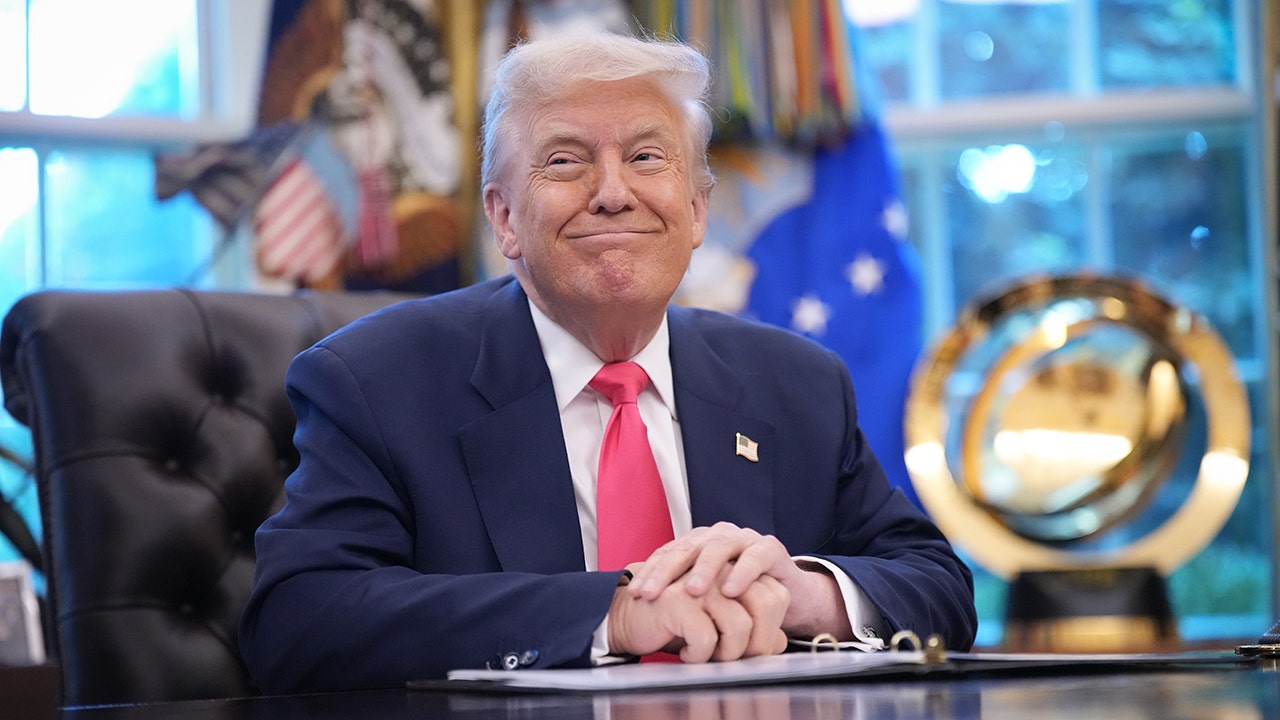
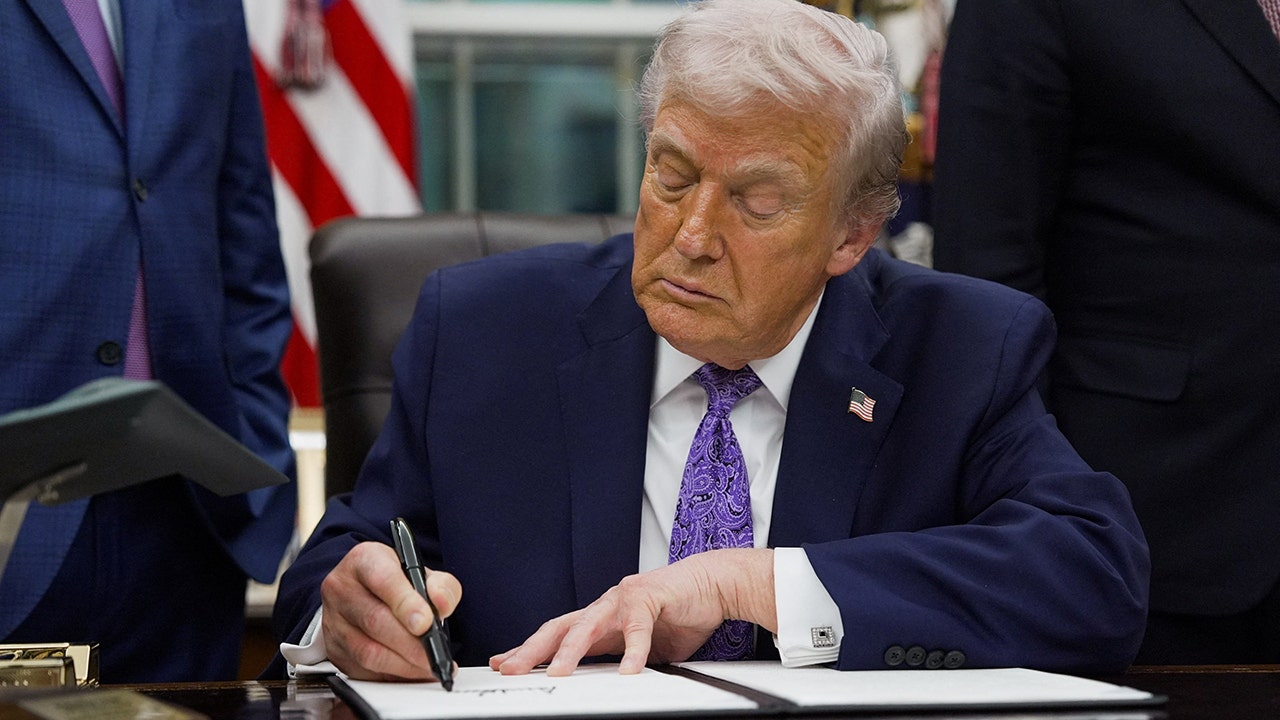
Last week, Secretary of War Pete Hegseth released the 2026 National Defense Strategy (NDS), a Pentagon blueprint that elevates Israel as a “model ally” and translates President Trump’s national security doctrine into concrete military policy.
“Israel has long demonstrated that it is both willing and able to defend itself with critical but limited support from the United States. Israel is a model ally, and we have an opportunity now to further empower it to defend itself and promote our shared interests, building on President Trump’s historic efforts to secure peace in the Middle East,” the NDS states.
The document is now influencing parallel debates over the future of U.S. security assistance to Israel and whether the next Memorandum of Understanding, or MOU, should continue delivering traditional U.S. military aid to Israel, amid dissenting voices that portray the alliance as a burden rather than a strategic asset.
According to the strategy, Israel proved its ability and willingness to defend itself following the Oct. 7 attacks, demonstrating that it is not a passive partner but an operational force that supports U.S. interests in the region. The strategy emphasizes empowering capable allies rather than constraining them, building on President Trump’s earlier push for regional integration through the Abraham Accords.
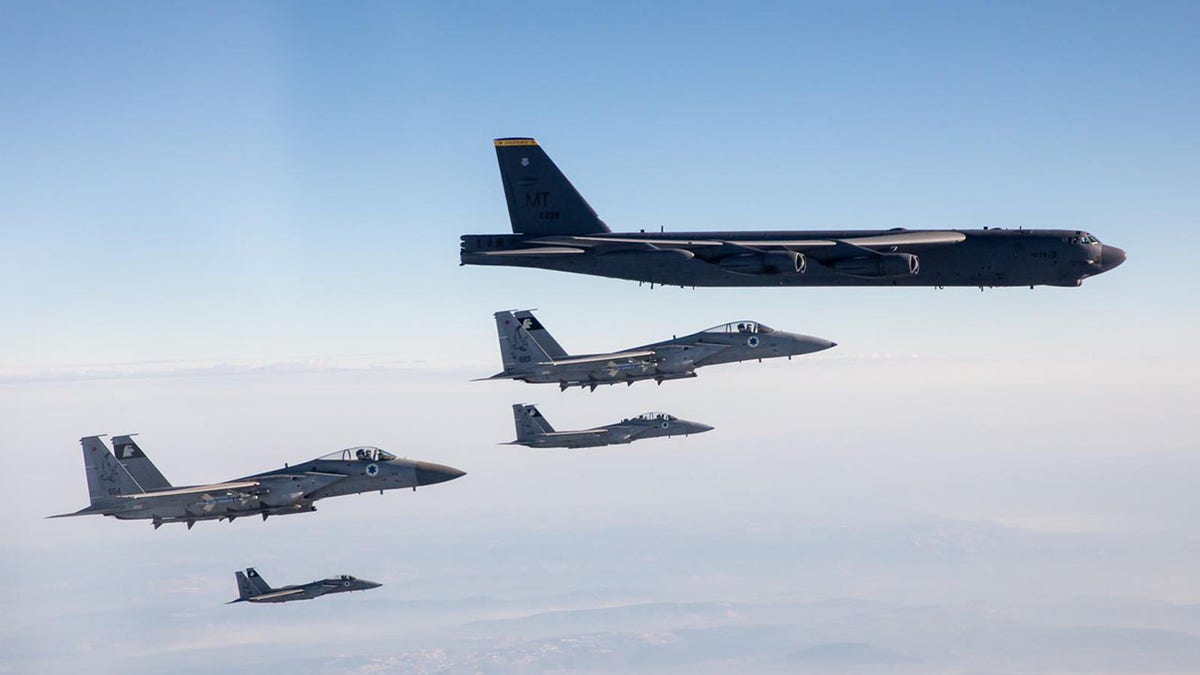
Jonathan Ruhe, director of foreign policy at the Jewish Institute for National Security of America, said the strategy reflects a broader American shift toward partnerships that strengthen both U.S. security and domestic industry.
“U.S. defense assistance to Israel in the MOU is spent in dollars here in America to support our industry,” Ruhe told Fox News Digital. “And like in the national security strategy, it then enables Israel to go and do more to protect U.S. interests.”
He said a future agreement would likely extend beyond funding alone. “A new MOU would also likely be broader and include things that are more 50-50 partnership, like joint research and development, co-production, intelligence sharing and things like that to reflect the changing partnership going forward,” Ruhe said.
The strategy also highlights the importance of revitalizing the American defense industrial base, noting that allies purchasing U.S. systems help strengthen domestic production while enabling partners to shoulder greater responsibility for regional security.
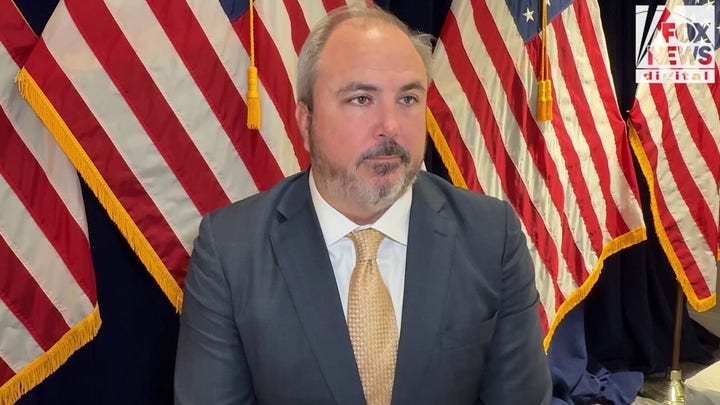
Avner Golov, vice president of the Israeli think tank Mind Israel, said the document makes clear that Israel is viewed not merely as a recipient of aid, “Israel is in the fight. We are protecting ourselves by ourselves. We just need the tools to do that. And by doing so, we enhance not only America’s standing in the Middle East, but also worldwide and contribute to the American economy.”
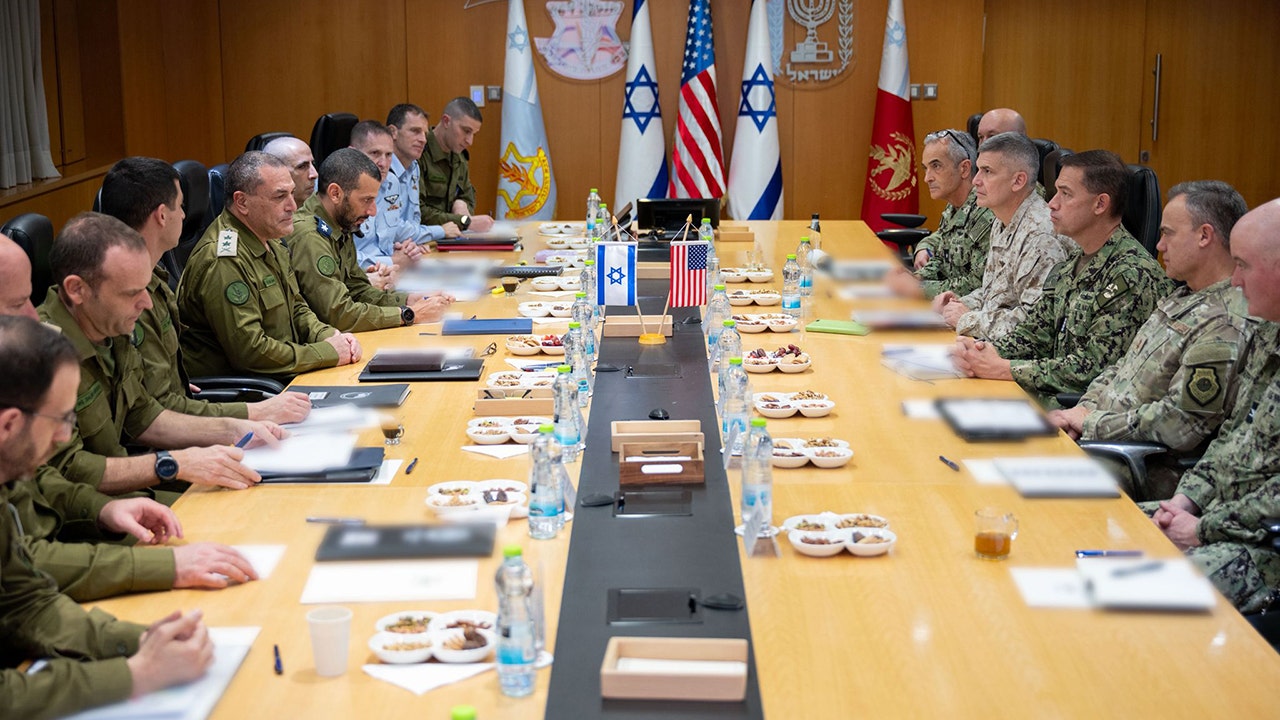
That framing comes as Israel and the United States prepare for negotiations over the next 10-year MOU, which governs U.S. military assistance to Israel. The current agreement, signed in 2016, provides $3.3 billion annually in foreign military financing, along with $500 million a year for missile defense cooperation.
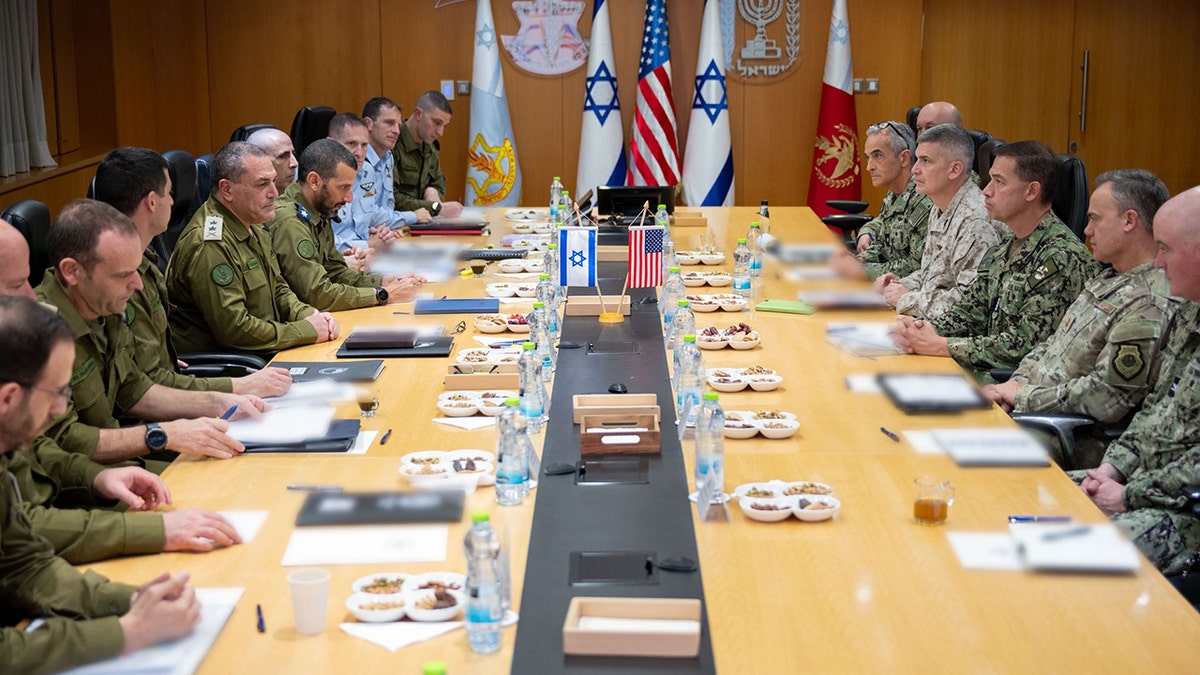
The debate follows tensions during the Biden administration, when the White House paused the delivery of certain U.S. weapons to Israel in May 2024, including a shipment of 2,000-pound bombs. At the time, Netanyahu warned that Israel “will stand alone” if Washington halted weapons deliveries, reflecting concern that limits or delays in U.S. military support could undermine Israel’s readiness and deterrence.
Experts have noted that U.S. leaders have not always approved every Israeli weapons request and that roughly 70% of Israel’s military imports come from the United States, underscoring the strategic calculus behind Prime Minister Netanyahu’s recent push for greater independent production.
Golov criticized that approach, arguing it risks prioritizing optics over readiness. “I believe that is a short-term vision,” Golov said. “In the long term, Israel must first be prepared for the next round of escalation. If we are not ready, we will face another war. If we are prepared, perhaps we can deter it.”
PENTAGON WARNS FUTURE WARS MAY HIT US SOIL AS ‘DIRECT MILITARY THREATS’ GROW
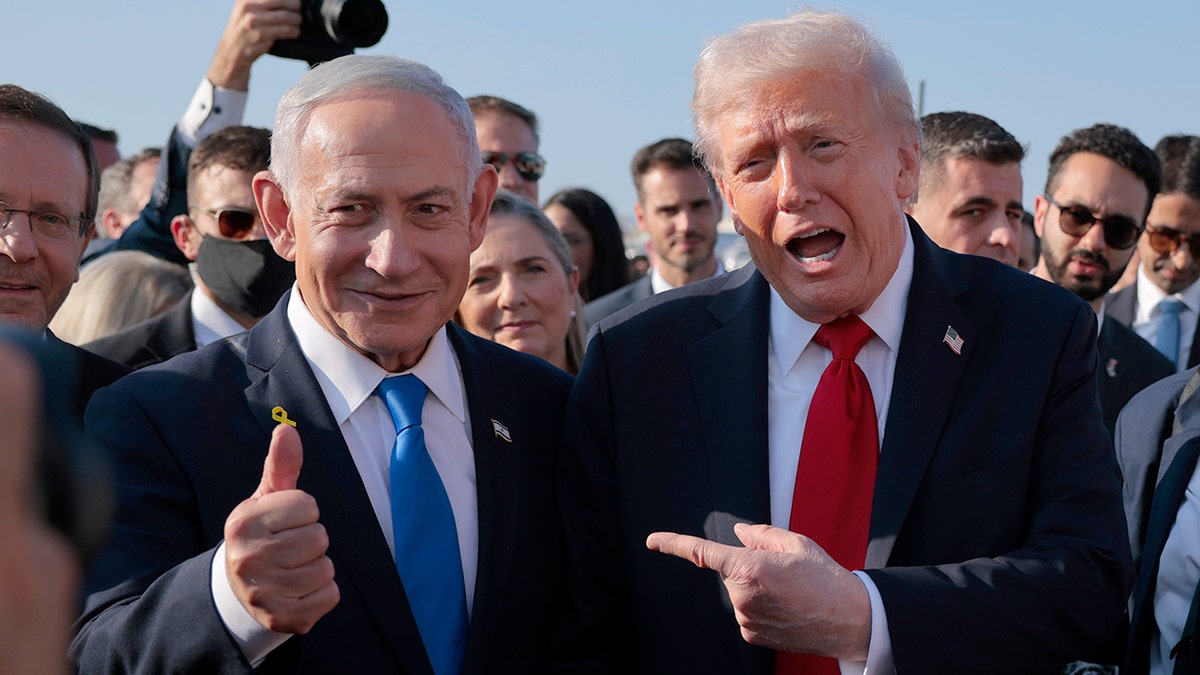
“Israel must remain the strongest army in the region, and that is also a fundamental American interest,” Golov said.
Ruhe said the debate reflects lessons learned from nearly two years of war. “You’ve got this sort of topsy-turvy world now where the Israelis are saying we don’t want to take any more U.S. money, and the Americans are saying, no, you’re going to take our money,” he said.
According to Ruhe, the conflict exposed vulnerabilities created by heavy dependence on U.S. supply chains and political delays.
“The war of the last two years showed that Israel can’t afford to be as dependent on the U.S. or continue to maintain the same defense partnership that it has because that creates a dependence,” he said. “Israel becomes vulnerable to U.S. shortages in weapons output or politically motivated embargoes and holdups that can impact Israel’s readiness.”
At the same time, Ruhe noted that Israel remains reliant on the United States for major platforms.
“Even Israel will say we’re utterly dependent on the U.S. for those big-ticket platforms,” he said, pointing to aircraft such as the F-15 and F-35 that Israel has already committed to purchasing.
For that reason, Ruhe argued that maintaining stable funding under the next MOU may be the most practical path forward.
“It’s actually much easier for Congress just to go ahead and approve that money,” he said, explaining that predictable funding reduces annual political battles on Capitol Hill.
TRUMP REWRITES NATIONAL SECURITY PLAYBOOK AS MASS MIGRATION OVERTAKES TERRORISM AS TOP US THREAT
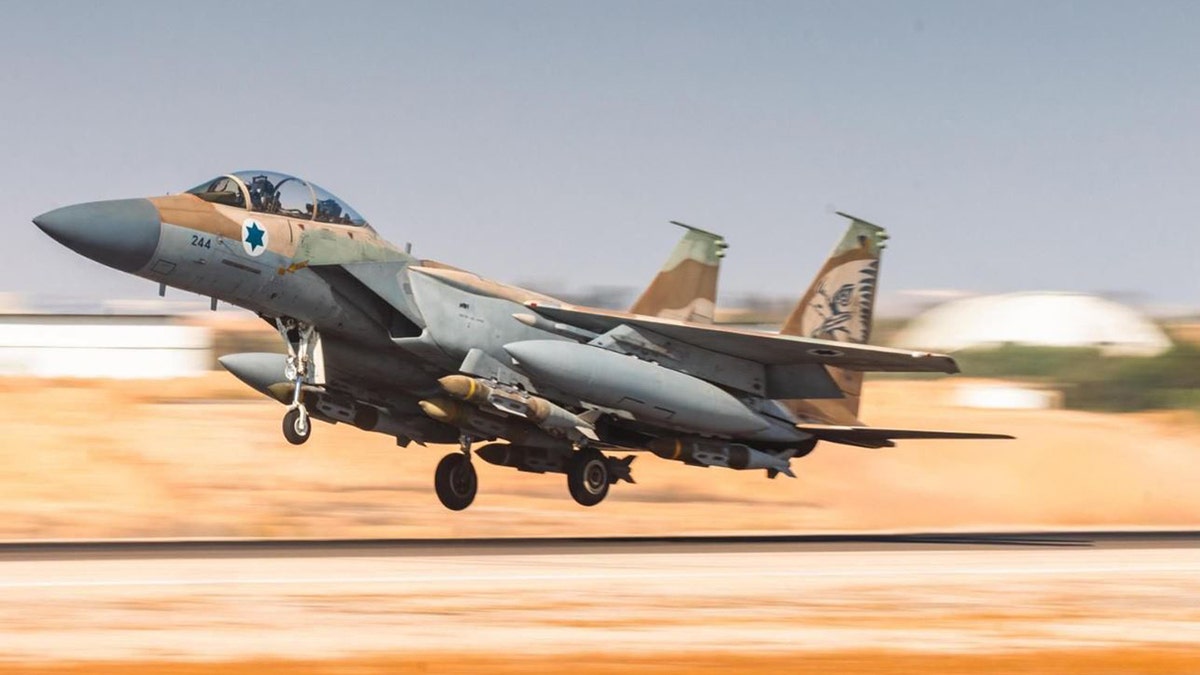
Golov said Israel’s long-term objective should not be reducing ties with Washington, but deepening them. “I don’t want to reduce dependency,” he said. “I want to increase contribution to America.”
He described the emerging vision as a fundamental shift in how the alliance is structured. “We are moving from a 20th-century aid model to a 21st-century strategic merger,” Golov said. “Israel is the only partner that delivers a 400% return on investment without asking for a single American soldier.”
Golov said the proposed framework is built around three pillars: an industrial defense ecosystem, a joint technology ecosystem and a regional ecosystem connecting Israeli innovation, Gulf infrastructure and American power.
He emphasized that maintaining U.S. security assistance during the transition period is critical.
CLICK HERE TO DOWNLOAD THE FOX NEWS APP
“We need a final ten-year ‘bridge’ with the current security aid MOU,” Golov said. “A sudden cut would be a dangerous signal of American retreat to our enemies and may hinder IDF preparedness.”
“I don’t know who the next president of the United States will be,” he added. “This is where our enemies can read it in a very dangerous way.”